
"National Coffee Supervisory Agency"
50 article(s) found
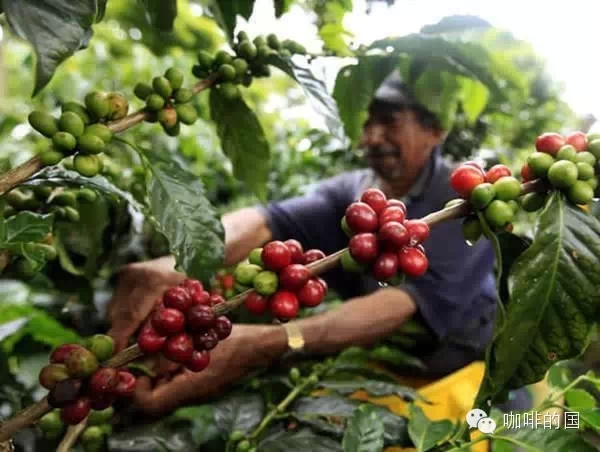
The Arabica coffee tree is grown in Cameroon and its variety is Jamaica's Blue Mountain Coffee.
Cameroon is suitable for deep roasting coffee beans for espresso. The cultivation of Arabica coffee trees in Cameroon (Cameroon) began in 1913 as the Blue Mountain Coffee from Jamaica, but the country also produces large quantities of Robbins coffee. The quality and characteristics of Cameroon coffee is similar to that of coffee from South America. The best coffee in the country comes from Bamileke and Pakistan in the northwest.
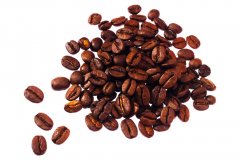
Cameroon is suitable for deep roasting coffee beans and Arabica coffee.
Deep-roasted coffee beans suitable for espresso in Cameroon the cultivation of the Arabica coffee tree in Cameroon (Cameroon) began in 1913 as the Blue Mountain coffee of Jamaica, but the country also produces large quantities of Robbins coffee. The quality and characteristics of Cameroon coffee is similar to that of coffee from South America. The best coffee in the country comes from Bamileke and Parmon in the northwest.

Introduction to the characteristics of the manor producing area of Burundian boutique coffee beans
The national flag of Burundi is rectangular and the ratio of length to width is 5:3. Two crossed white wide stripes divide the flag into four triangles, the upper and lower two are equal in red, and the left and right two are equal in green. In the center of the flag is a white circle with three red hexagonal stars with green edges in a zigzag arrangement. Red symbolizes the blood of the victims fighting for freedom, and green symbolizes the desired progress.
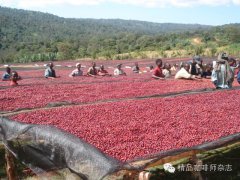
Cameroon coffee espresso deep roasted coffee beans coffee net
High-quality coffee beans are refined by water treatment. The coffee beans with less impurities can be obtained by the water washing method, but if the water quality and time are not properly controlled during the fermentation process, the coffee beans will easily be infected with the sour taste of excessive fermentation. and dry beans also need to pay attention to timely re-inspection to prevent coffee beans from being contaminated by wet ground and sundries. Processed

Cameroon Coffee Features and markets of Cameroon Coffee
Arabica coffee trees were first cultivated in Cameroon in 1913 as Blue Mountain coffee from Jamaica, but the country also produces robert coffee in large quantities. Cameroon's best coffee comes from Bamileke and Bamoun in the northwest. In addition, it grows some giant coffee beans and bean-shaped berry coffee.

Introduction of Burundian Coffee
Burundi has the most diverse and successful coffee industry in the world, and has its own characteristics. Coffee in this country was introduced by Belgian colonists in 1930 and is now grown only on small farms. Unfortunately, many of these farms are on the border with war-torn Rwanda, putting pressure on coffee production. Coffee produced in Burundi.

Introduction of Burundian Coffee varieties treated by Grinding Calibration method for description of altitude Flavor
Burundian boutique coffee bean flavor characteristics Arabica coffee tree was planted in Cameroon in 1913, its variety is Jamaica's Blue Mountain coffee, but the country also produces a large number of Robbins coffee. The quality and characteristics of Cameroon coffee is similar to that of coffee from South America. The best coffee in the country comes from Bamileke and Bamoun in the northwest.

Flavor description of Burundian Coffee Taste treatment Variety region Grinding scale
Burundian Coffee Flavor description the regional grinding scale of Burundian coffee varieties the cultivation of Arabica coffee trees in Cameroon began in 1913 with the Blue Mountain Coffee from Jamaica, but the country also produces large quantities of Robbins coffee. The quality and characteristics of Cameroon coffee is similar to that of coffee from South America. The best coffee in the country comes from Bamil in the northwest.

Introduction to the quality of altitude Manor name, Flavor description and treatment in Burundian Coffee producing area
Description of Burundian Coffee Flavor the cultivation of the Arabica coffee tree in Cameroon began in 1913 as the Blue Mountain Coffee of Jamaica, but the country also produces a large number of Robbins Coffee. The quality and characteristics of Cameroon coffee is similar to that of coffee from South America. The best coffee in the country comes from Bamileke and Bamoun in the northwest. Here
Cameroon coffee espresso deep roasted coffee beans coffee net
High-quality coffee beans are refined by water treatment. The coffee beans with less impurities can be obtained by the water washing method, but if the water quality and time are not properly controlled during the fermentation process, the coffee beans will easily be infected with the sour taste of excessive fermentation. and dry beans also need to pay attention to timely re-inspection to prevent coffee beans from being contaminated by wet ground and sundries. Processed

Burundian Coffee Manor introduces the characteristics of Burundian Coffee beans and Burundian Coffee
The cultivation of Arabica coffee trees in Cameroon (Cameroon) began in 1913 as the Blue Mountain Coffee from Jamaica, but the country also produces large quantities of Robbins coffee. The quality and characteristics of Cameroon coffee is similar to that of coffee from South America. The best coffee in the country comes from Bamileke and Bamoun in the northwest. Here, it also grows some giant coffees.

Burundian Jackson bourbon variety coffee beans introduction to boutique coffee beans
The cultivation of Arabica coffee trees in Cameroon (Cameroon) began in 1913 as the Blue Mountain Coffee from Jamaica, but the country also produces large quantities of Robbins coffee. The quality and characteristics of Cameroon coffee is similar to that of coffee from South America. The best coffee in the country comes from Bamileke and Bamoun in the northwest. Here, it also grows some giant coffees.

Introduction to the characteristics of Grinding degree of Burundian AA Coffee by Flavor description method
After Starbucks paid more and more attention to the African coffee industry in recent years, and began to increase the price of coffee with Burundian Arabrica, a coffee grower in Tanzania, Ethiopia, Rwanda and Kenya, the purchase price of fresh coffee fruits in Burundi was adjusted from 120Burundian francs / kg to 200Burundian francs / kg.

Introduction of Burundian Coffee Bean Flavor description Grinding scale treatment method Manor production area
Burundian boutique coffee beans taste introduction: honey, kumquat, purple flowers, sour, smooth, fragrant and tasty through the introduction of the Belgian people. Bloomberg began to grow coffee in 1930. Most of the varieties and Anda products are bourbon series, which grow in mountains ranging from 1750 to 2000 meters above sea level.

Cameroon boutique coffee cooperative introduction: Boyo cooperative PB round beans
Professional coffee knowledge exchange more coffee bean information please follow the coffee workshop (Wechat official account cafe_style) is suitable for espresso deep-roasted coffee beans. The cultivation of Arabica coffee trees in Cameroon (Cameroon) began in 1913 as the Blue Mountain Coffee from Jamaica, but the country also produces large quantities of Robbins coffee. The quality, characteristics and production of Cameroon Coffee

Fruit-flavored Burundian coffee beans taste manor characteristics of Burundian coffee
The chaos of Burundian coffee has been going on for a long time, with a large number of old and new raw beans mixed together, making this coffee unsuitable for grading. This coffee is rough but mild, and has characteristics similar to Kenyan coffee. The flavor is sweet and fruity, with a slightly spicy finish. Dry aroma (1-5): not suitable for wet aroma (1-5): not suitable for acid

Introduction of Burundian Coffee Flavor description Variety characteristics treatment method for producing High-quality Coffee beans
Burundian coffee flavor Burundian coffee has been in chaos for a long time, with a large number of mixed raw beans, making this coffee unsuitable for grading. This coffee is rough but mild, and has characteristics similar to Kenyan coffee. The flavor is sweet, fruity, with a slightly spicy aftertaste and traceability in coffee growers and raw bean buyers.

Mellow Burundian Coffee Flavor Taste introduction to Fine Coffee in Manor production area
There are many plateaus and mountains in Burundi, most of which are made up of the plateau on the east side of the East African Rift Valley. The national average elevation is 1600 meters, which is known as the mountain country. According to the topography of Burundi, it can be divided into three regions: the western plain, along the Ruzizi River, the Rift Albrtine plain, 774 to 1000 meters above sea level; and the central and western mountains, with an average elevation of 1700 meters, with the highest peak in Bujumbura.

The flavor and taste of Burundian coffee the characteristics of the manor producing area introduce the origin of Burundian coffee boutique coffee beans
Lake Tanganyika, located at the southern end of the western branch of the East African Rift Valley, is the second largest lake in East Africa. With a length of 720km from north to south, it is one of the longest freshwater lakes in the world, with a depth of 1470 meters, second only to Lake Baikal and the second deepest lake in the world. The area is 32900 square kilometers. Lake Tanganyika, which is narrow in the north and south, is formed by the fault and subsidence of the earth's crust. The only outlet of the lake is the Lukuga River. Inspire Burundi

Did Burundian coffee make boutique coffee from the beginning? What do Burundian coffee and Cameroon coffee have?
Professional Coffee knowledge Exchange more information on coffee beans Please follow the Coffee Workshop (official account Wechat cafe_style) Burundi the aromatic and mild-flavored coffee from the war-torn areas Burundi (Burundi) has the most diverse and successful coffee industry in the world and has its own characteristics. Coffee in this country was introduced by Belgian colonists in 1930 and is now available only in